Photo: Natalia Msungu / Pexels
Photo: jdgromov / Pexels
Photo: Igor Balashov via iNaturalist, CC BY
Photo: evangrimes via iNaturalist, CC BY
Photo: Peter Paplanus via iNaturalist, CC BY
Photo: Thomas Mesaglio via iNaturalist, CC BY
Photo: B Pulman005 via iNaturalist, CC BY
Photo: Bruno Henrique Aranda via iNaturalist, CC BY
Habitat
Grassland & Savanna
Warm days, open ground, burrows
Ground-dwellers from grassland, prairie and open woodland: room to roam, deep substrate to burrow in, a warm basking spot and moderate humidity.
Habitat
Grassland & Savanna
Warm days, open ground, burrows
Ground-dwellers from grassland, prairie and open woodland: room to roam, deep substrate to burrow in, a warm basking spot and moderate humidity.
Food chain
What each resident here eats, from its care sheet. Tap a food to see who eats it.
Grassland & Savanna · resident 1 of 6
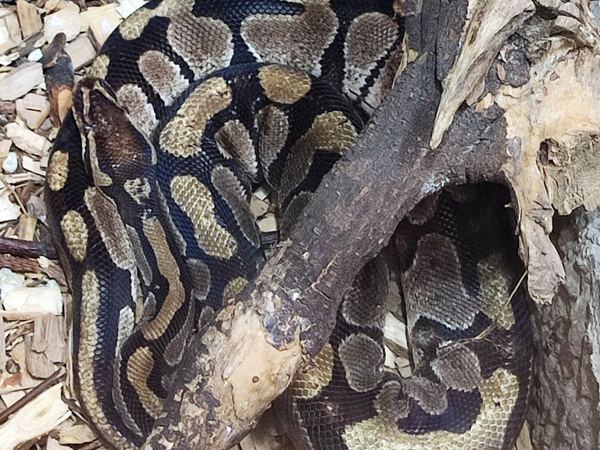
Ball python Python regius
A docile, slow-moving python from West and Central Africa. An adult needs a 48 × 24 × 24 inch enclosure (36 × 18 × 18 for a juvenile under 3 feet), an 86–90°F basking...
- Home range
- Western and central Africa [source]
- Basking / cool
- 86–90°F / 72–80°F [source]
- Humidity
- 60–80% [source]
- Active
- Dusk and night 🌙
Rodents & whole preyBall python
Frozen-thawed rodents, warmed before feeding [source]
Grassland & Savanna · resident 2 of 6
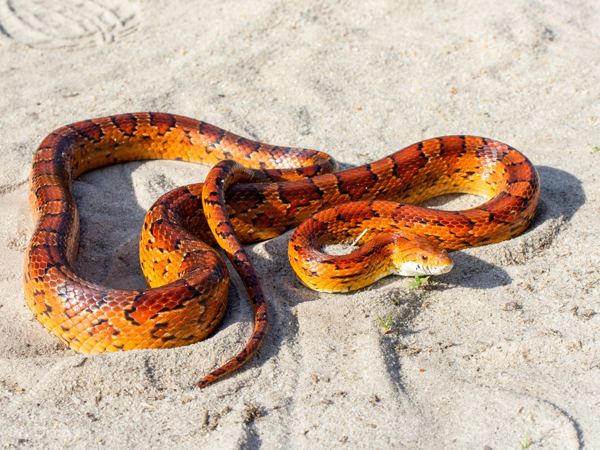
Corn snake Pantherophis guttatus
A hardy, active rat snake from the southeastern United States and the classic first snake. An adult needs at least a 4 × 2 × 2 foot enclosure, an 85–90°F basking surface, a 72–78°F...
- Home range
- Southeastern United States [source]
- Basking / cool
- 85–90°F / 72–78°F [source]
- Humidity
- 40–60% [source]
- Active
- Dusk and night 🌙
Rodents & whole preyCorn snake
Frozen-thawed mice no wider than 1.5 times the snake's widest point, or about 10% of its body weight [source]
Grassland & Savanna · resident 3 of 6
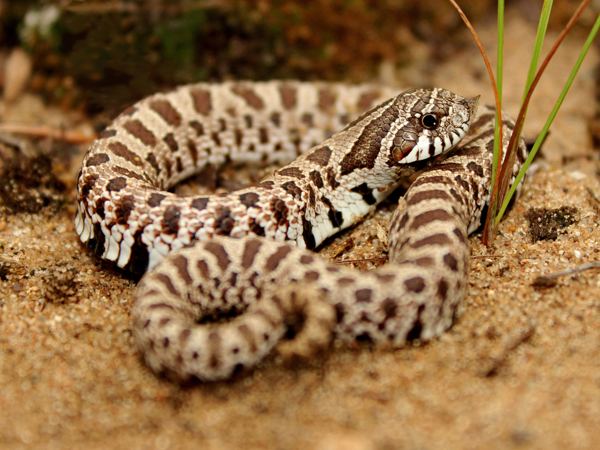
Western hognose snake Heterodon nasicus
A small North American snake that flattens its neck like a cobra, hisses and even plays dead when scared. An adult female needs about a 40 gallon (36 × 18 × 16 inch) enclosure,...
- Home range
- Southern Canada, most of the United States and northern Mexico [source]
- Basking / cool
- 90–95°F / 70–75°F [source]
- Humidity
- 30–50% [source]
- Active
- By day ☀️
Rodents & whole preyWestern hognose snake
Frozen-thawed prey no wider than the snake's head [source]
Grassland & Savanna · resident 4 of 6
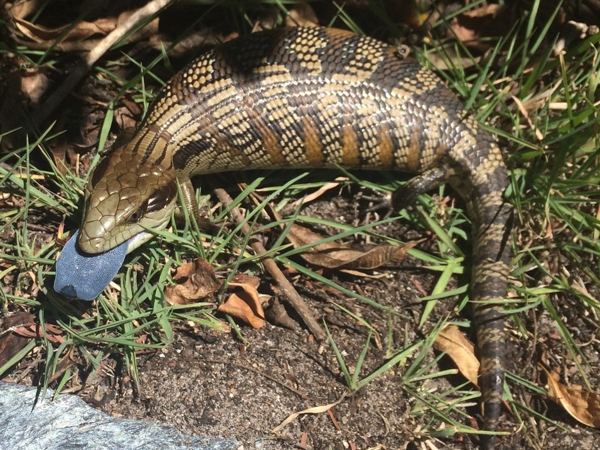
Blue-tongued skink Tiliqua scincoides
A heavy-bodied, daytime lizard from Australia and parts of Indonesia, famous for its blue tongue. One adult needs a 48 × 24 × 24 inch enclosure, a 105–115°F basking spot, a 70–85°F cool side,...
- Home range
- Australia and parts of Indonesia [source]
- Basking / cool
- 105–115°F / 70–85°F [source]
- Humidity
- 40–60% [source]
- Active
- By day ☀️
Feeder insectsGreens & vegEggs & lean meatBlue-tongued skink
Insects (dubia roaches, black soldier fly larvae, hornworms), eggs and lean meat, vegetables and greens; fruit no more than 10% of the diet [source]
Grassland & Savanna · resident 5 of 6
Sudan plated lizard Broadleysaurus major
A sturdy daytime lizard from eastern and central Africa; some are handleable, others stay skittish. One adult needs a 48 × 24 × 24 inch enclosure, a 100–110°F basking spot, a 75–80°F cool side,...
- Home range
- Eastern and central Africa [source]
- Basking / cool
- 100–110°F / 75–80°F [source]
- Humidity
- 40–60% [source]
- Active
- By day ☀️
Feeder insectsGreens & vegSudan plated lizard
Insects (crickets, dubia roaches, black soldier fly larvae), leafy greens such as kale and collards, fruit at most once a week [source]
Grassland & Savanna · resident 6 of 6
Argentine tegu Salvator merianae
A big, very intelligent lizard from South America that can become dog-tame with patience, but needs room and experience. An adult female needs at least an 8 × 4 × 4 foot enclosure (males...
- Home range
- Eastern and southeastern South America [source]
- Basking / cool
- 125–135°F / 75–85°F [source]
- Humidity
- 70–80% [source]
- Active
- By day ☀️
Feeder insectsRodents & whole preyGreens & vegArgentine tegu
Insects (dubia roaches, black soldier fly larvae), whole prey (mice, rats, chicks), vegetables such as squash and carrot, some berries [source]
Grassland & Savanna residents
 GrasslandIntermediate
01
Ball pythonPython regius
3.6–4.5 ft15–30 yearsRodents
 GrasslandBeginner
02
Corn snakePantherophis guttatus
3–5 ft15–20+ yearsRodents
 GrasslandIntermediate
03
Western hognose snakeHeterodon nasicus
14–24 in (females larger)10–20 yearsFrozen-thawed prey
 GrasslandIntermediate
04
Blue-tongued skinkTiliqua scincoides
18–24 in15–20 years (35+ possible)Omnivore: insects, meat, vegetables
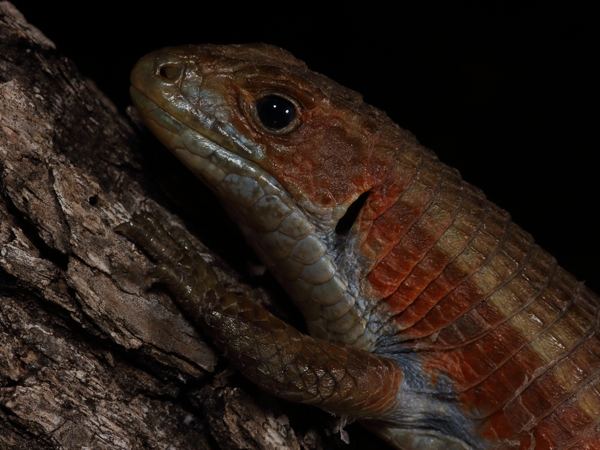 GrasslandIntermediate
05
Sudan plated lizardBroadleysaurus major
15–20 in10–15 yearsOmnivore: insects and greens
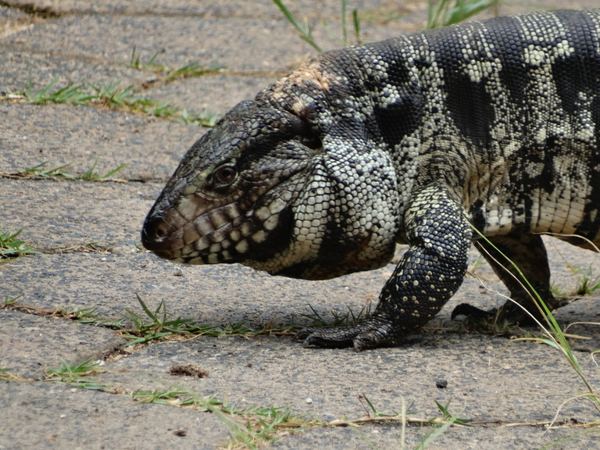 GrasslandAdvanced
06
Argentine teguSalvator merianae
3–4.5 ft15–20 yearsOmnivore: protein, vegetables, fruit
Other habitats: Desert Dunes · Rainforest Canopy ·