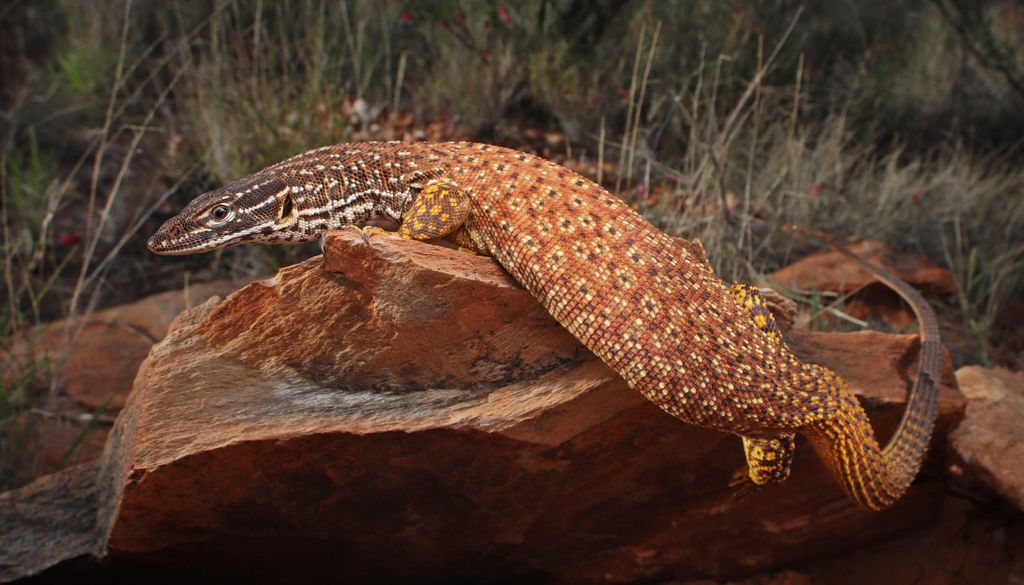
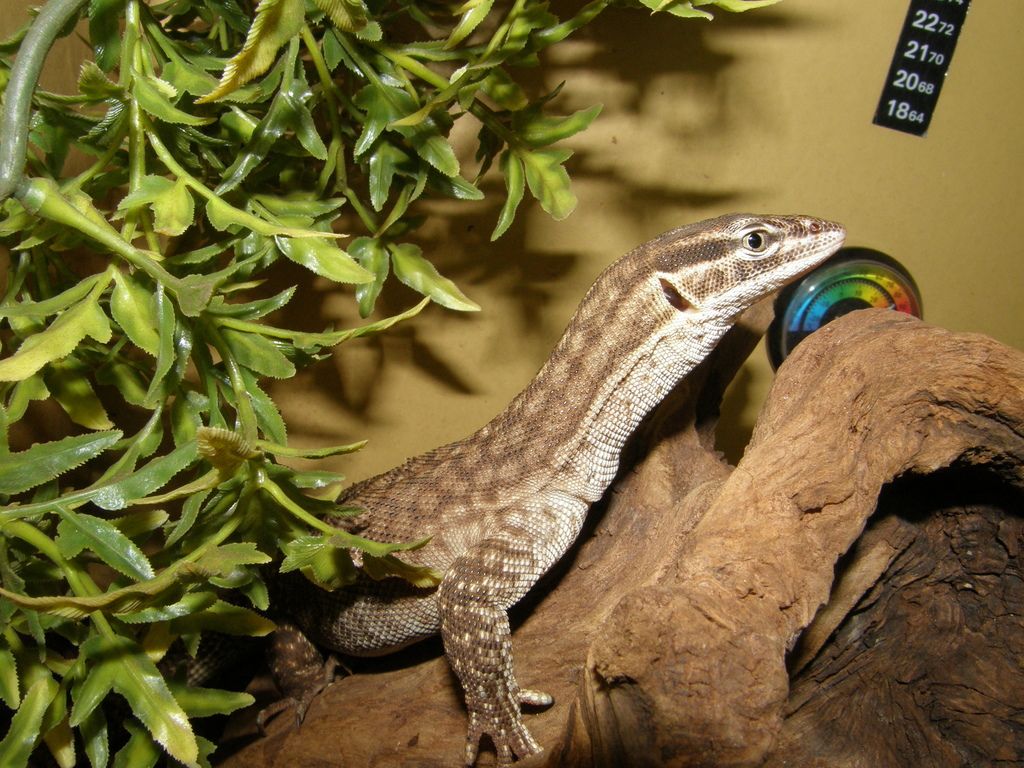
Short answer: A small monitor lizard from northern Australia that digs deep burrows and basks very hot. One adult needs a 5 × 2.5 × 4 foot enclosure with 12–18 inches of diggable substrate, a 158–172°F basking surface, a 75–82°F cool side, 20–50% humidity, strong UVB, and insects every other day.
Every number below links to the care source it came from. No AI-written care advice.
- Habitat
- Desert Dunes
- Home range
- Northern Australia
- Adult size
- About 24 in
- Lifespan
- 15+ years
- Diet
- Insects, some lizard prey
- Active
- Daytime
- Care level
- Intermediate [source]
Setup at a glance
| Enclosure (adult minimum) | 60 × 30 × 48 in. Juveniles can go straight into the adult enclosure. [source] |
|---|---|
| Basking spot | 158–172°F [source] |
| Cool end | 75–82°F [source] |
| Humidity | 20–50% [source] |
| UVB (recommended) | Arcadia T5 HO Desert 12% or ReptiSun 10.0; 9–11 in above mesh, 14–17 in without; aim for UVI 4.0–6.0 at the basking spot. [source] |
| Substrate | 12–18 in or more of diggable substrate. [source] |
| Adult size · lifespan | About 24 in · 15+ years |
What to feed, and how often
Insects (dubia roaches, crickets, superworms, black soldier fly larvae), with occasional quail eggs or young mice. [source]
| Hatchling and juvenile (0–6 months) | Insects daily |
|---|---|
| Subadult and adult (over 6 months) | Insects every other day |
Supplements: Lightly dust insects with calcium; a multivitamin once in a while.
When is the next meal due?Feeding schedule →More ackie monitors
Ackie monitor FAQ
What size enclosure does a ackie monitor need?
At least 60 × 30 × 48 inches (length × depth × height) for one adult. Juveniles can go straight into the adult enclosure. [source]
What temperature does a ackie monitor need?
A basking spot of 158–172°F and 75–82°F at the cool end. [source]
What humidity does a ackie monitor need?
20–50%. [source]
Does a ackie monitor need UVB?
UVB is recommended. Arcadia T5 HO Desert 12% or ReptiSun 10.0 (9–11 in above mesh, 14–17 in without). Aim for a UVI of 4.0–6.0 where it basks. [source]
What do ackie monitors eat?
Insects (dubia roaches, crickets, superworms, black soldier fly larvae), with occasional quail eggs or young mice. Supplements: Lightly dust insects with calcium; a multivitamin once in a while. [source]
How often should I feed a ackie monitor?
Hatchling and juvenile (0–6 months): Insects daily.Subadult and adult (over 6 months): Insects every other day. [source]
How big do ackie monitors get, and how long do they live?
Adults reach About 24 in and live 15+ years with good care. [source]
Where do ackie monitors come from?
Northern Australia. They are most active: daytime. [source]
Is a ackie monitor a good reptile for beginners?
ReptiFiles rates its care level as intermediate. [source]
Neighbors in the Desert Dunes
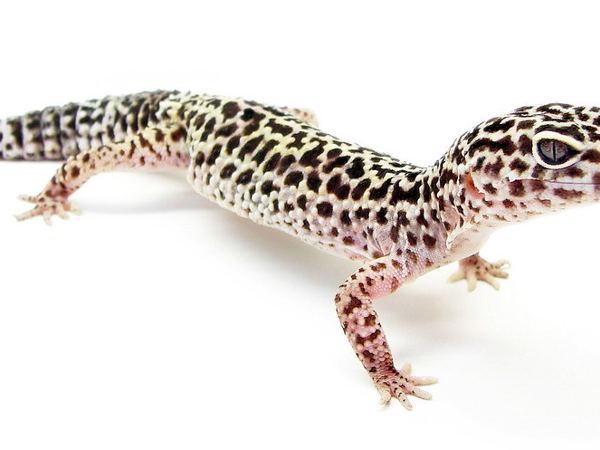 DesertBeginner
Leopard geckoEublepharis macularius
7–10 in15–20+ yearsInsects
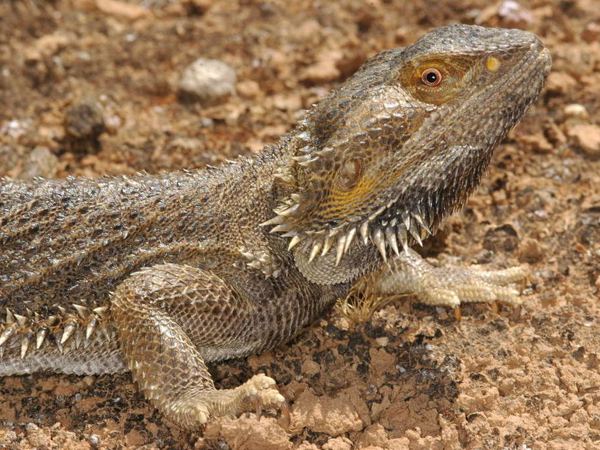 DesertIntermediate
Bearded dragonPogona vitticeps
18–24 in10–15 years (20–25 possible)Insects and vegetables
 DesertBeginner
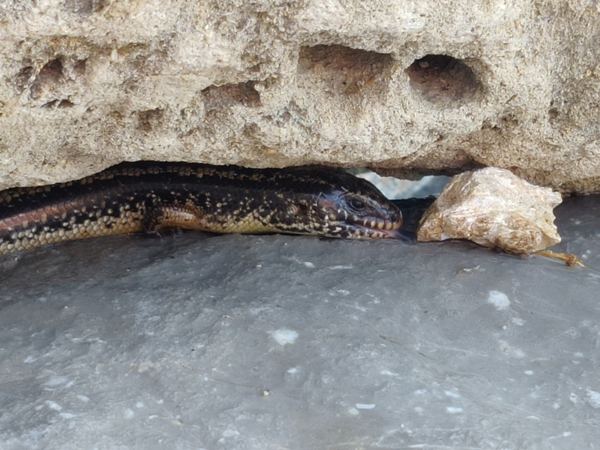
Ocellated skinkChalcides ocellatus
7–9 in10–20 yearsInsects, some greens
 Desert
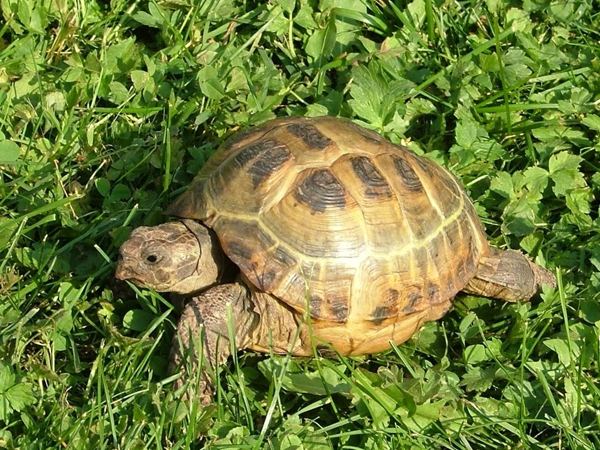
Russian tortoiseTestudo horsfieldii
5–10 inUp to 50 years or moreHerbivore: greens, grasses, weeds
 Desert
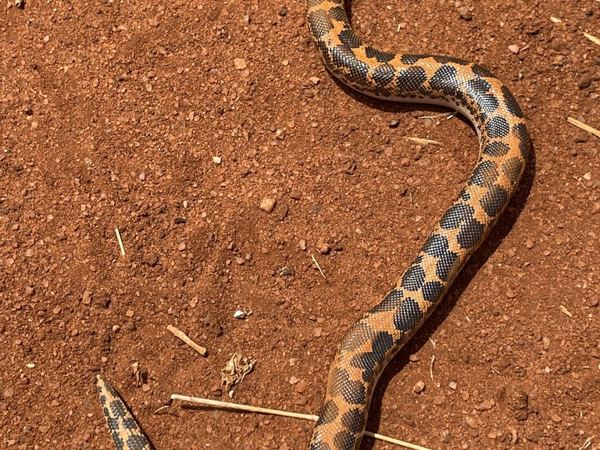
Kenyan sand boaEryx colubrinus
12–24 in (some females to 36 in)Up to 30 yearsRodents
Sources
- ReptiFiles: Ackie monitor enclosure size
- ReptiFiles: Ackie Monitor Care Guide
- ReptiFiles: Ackie monitor lighting and UVB
- ReptiFiles: Ackie monitor diet
General husbandry information, not veterinary advice. If your animal is losing weight or seems unwell, see a reptile vet (find one through ARAV). Updated November 9, 2026.