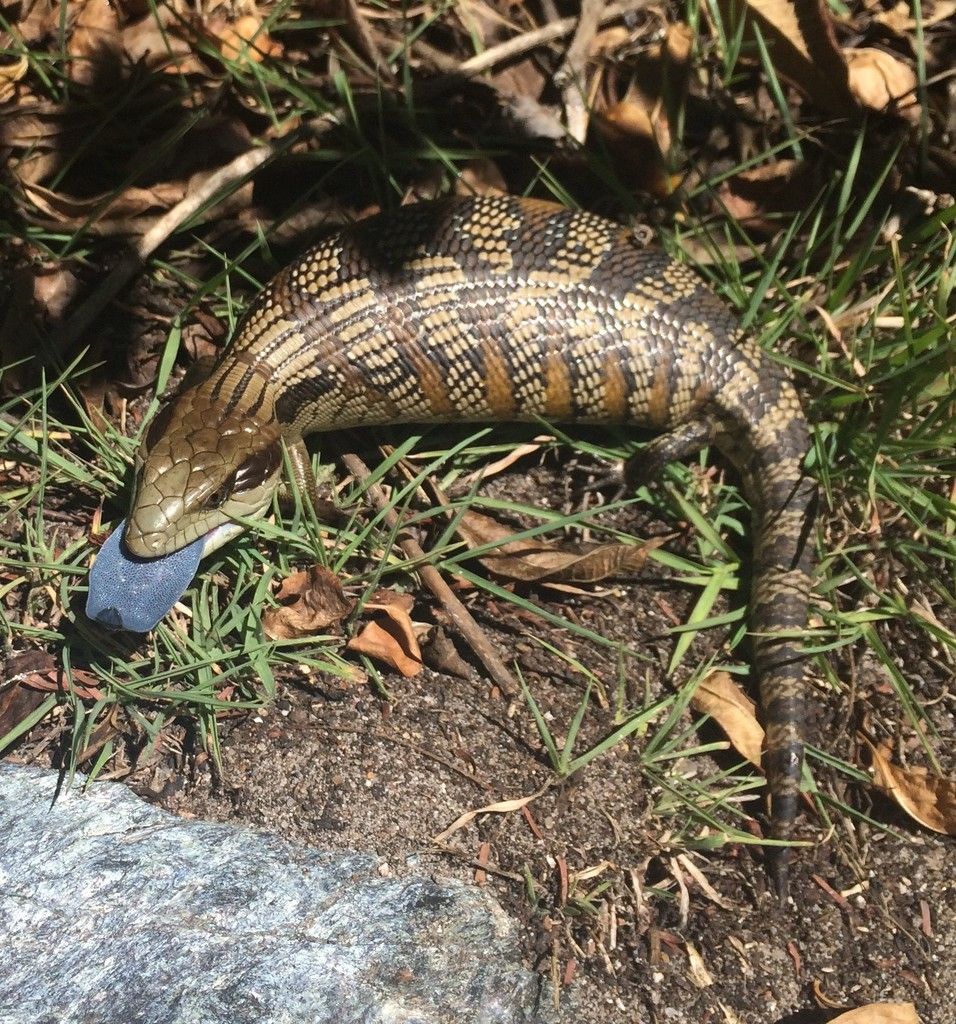
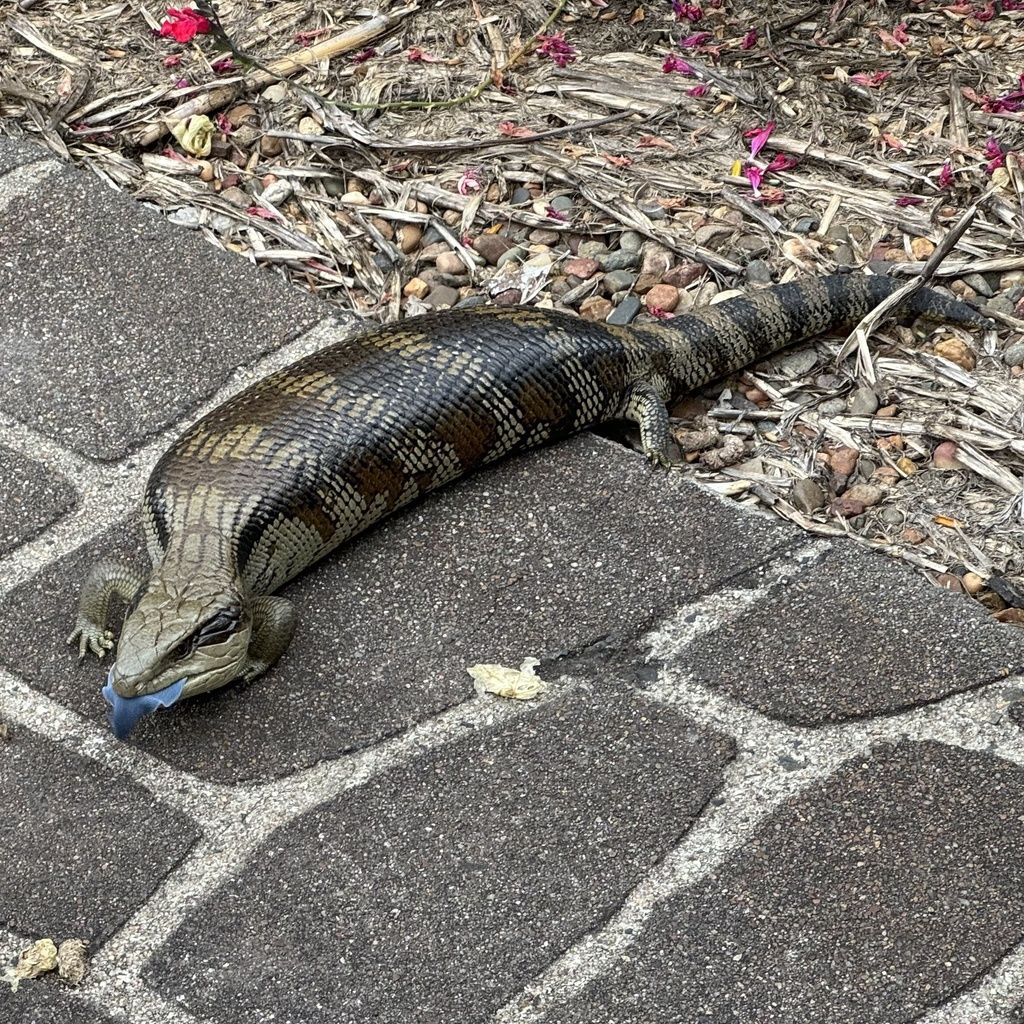
Short answer: A heavy-bodied, daytime lizard from Australia and parts of Indonesia, famous for its blue tongue. One adult needs a 48 × 24 × 24 inch enclosure, a 105–115°F basking spot, a 70–85°F cool side, UVB reaching UVI 3–4, and an omnivore diet of protein and vegetables, fed daily as a baby and 1–2 times a week as an adult.
Every number below links to the care source it came from. No AI-written care advice.
- Habitat
- Grassland & Savanna
- Home range
- Australia and parts of Indonesia
- Adult size
- 18–24 in
- Lifespan
- 15–20 years (35+ possible)
- Diet
- Omnivore: insects, meat, vegetables
- Active
- Daytime
- Care level
- Intermediate [source]
Setup at a glance
| Enclosure (adult minimum) | 48 × 24 × 24 in. The size ReptiFiles lists for one skink; bigger is better. [source] |
|---|---|
| Basking spot | 105–115°F [source] |
| Cool end | 70–85°F [source] |
| Night | 65–75°F [source] |
| Humidity | 40–60%. Australian types do well around 40%, Indonesian types need 60–80% [source] [source] |
| UVB (recommended) | A T5 HO UVB tube: 5.0 / 6% at 6–9 in above mesh, or 10.0 / 12% at 12–15 in above mesh; never closer than 10 in to the skink; aim for UVI 3.0–4.0 at the basking spot. [source] |
| Heat | A cluster of at least two halogen flood bulbs over the basking area. [source] |
| Substrate | 4–6 in of soft, loose substrate: 60% topsoil + 40% play sand for Australian types, a topsoil, coconut fiber and sand mix for Indonesian types. Avoid: Aspen shavings, pine or cedar products, Carefresh rodent bedding. [source] |
| Adult size · lifespan | 18–24 in · 15–20 years (35+ possible) |
What to feed, and how often
Insects (dubia roaches, black soldier fly larvae, hornworms), eggs and lean meat, vegetables and greens; fruit no more than 10% of the diet. [source]
| Baby (up to 3 months) | 1–2 tablespoons of food daily; about 70–80% protein |
|---|---|
| Juvenile (3–8 months) | 1–2 tablespoons 3 times a week; about 70–80% protein, 20–30% vegetables |
| Adult (8+ months) | 1–2 tablespoons 1–2 times a week; about 50–60% protein, 40–50% vegetables |
Supplements: A pinch of calcium at every feeding. Prepared reptile diets need no extra supplements.
When is the next meal due?Feeding schedule →More blue-tongued skinks
Blue-tongued skink FAQ
What size enclosure does a blue-tongued skink need?
At least 48 × 24 × 24 inches (length × depth × height) for one adult. The size ReptiFiles lists for one skink; bigger is better. [source]
What temperature does a blue-tongued skink need?
A basking spot of 105–115°F and 70–85°F at the cool end. At night, 65–75°F. [source]
What humidity does a blue-tongued skink need?
40–60%. Australian types do well around 40%, Indonesian types need 60–80%. [source]
Does a blue-tongued skink need UVB?
UVB is recommended. A T5 HO UVB tube: 5.0 / 6% at 6–9 in above mesh, or 10.0 / 12% at 12–15 in above mesh (never closer than 10 in to the skink). Aim for a UVI of 3.0–4.0 where it basks. [source]
What do blue-tongued skinks eat?
Insects (dubia roaches, black soldier fly larvae, hornworms), eggs and lean meat, vegetables and greens; fruit no more than 10% of the diet. Supplements: A pinch of calcium at every feeding. Prepared reptile diets need no extra supplements. [source]
How often should I feed a blue-tongued skink?
Baby (up to 3 months): 1–2 tablespoons of food daily; about 70–80% protein.Juvenile (3–8 months): 1–2 tablespoons 3 times a week; about 70–80% protein, 20–30% vegetables.Adult (8+ months): 1–2 tablespoons 1–2 times a week; about 50–60% protein, 40–50% vegetables. [source]
How big do blue-tongued skinks get, and how long do they live?
Adults reach 18–24 in and live 15–20 years (35+ possible) with good care. [source]
Where do blue-tongued skinks come from?
Australia and parts of Indonesia. They are most active: daytime. [source]
Is a blue-tongued skink a good reptile for beginners?
ReptiFiles rates its care level as intermediate. [source]
Neighbors in the Grassland & Savanna
 GrasslandIntermediate
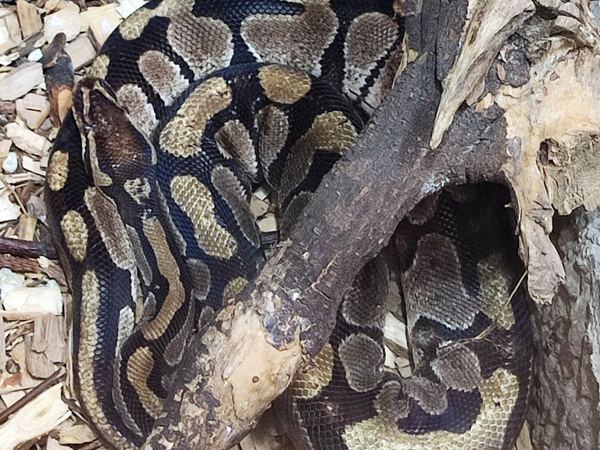
Ball pythonPython regius
3.6–4.5 ft15–30 yearsRodents
 GrasslandBeginner
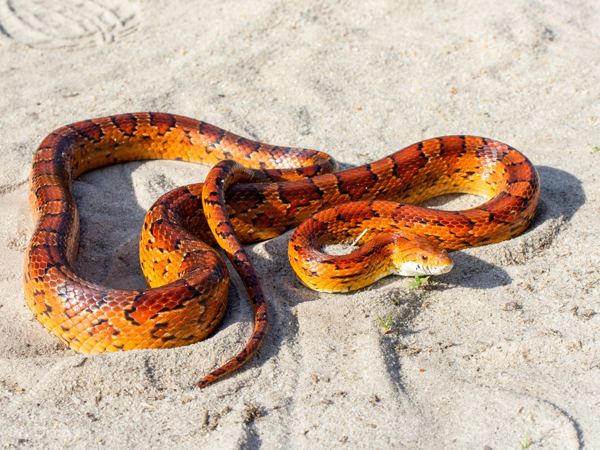
Corn snakePantherophis guttatus
3–5 ft15–20+ yearsRodents
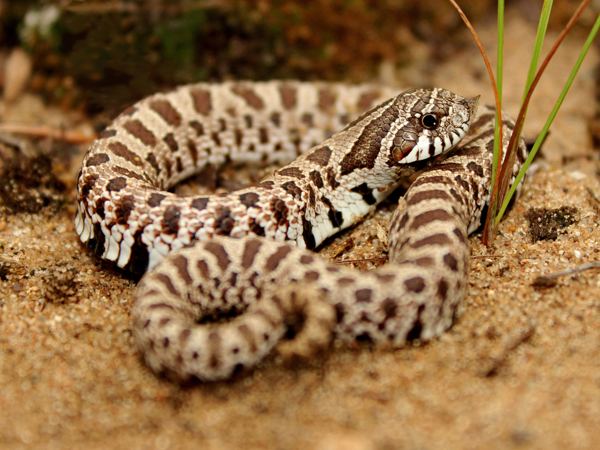 GrasslandIntermediate
Western hognose snakeHeterodon nasicus
14–24 in (females larger)10–20 yearsFrozen-thawed prey
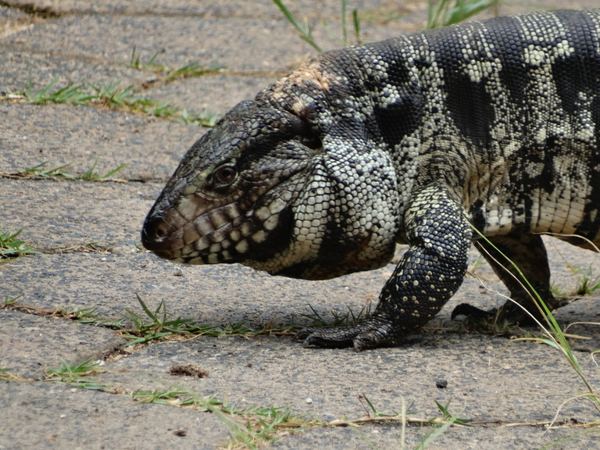 GrasslandAdvanced
Argentine teguSalvator merianae
3–4.5 ft15–20 yearsOmnivore: protein, vegetables, fruit
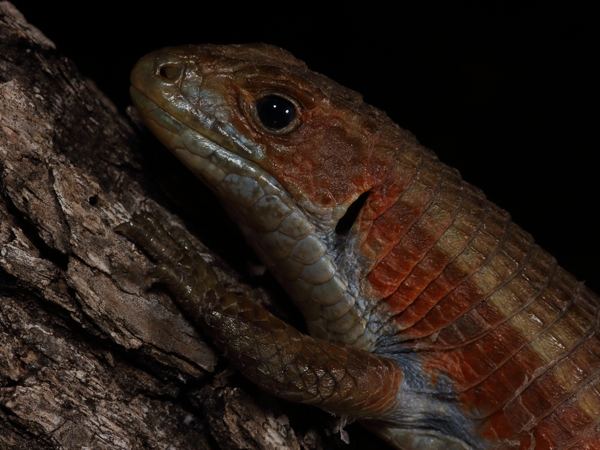 GrasslandIntermediate
Sudan plated lizardBroadleysaurus major
15–20 in10–15 yearsOmnivore: insects and greens
Sources
- ReptiFiles: Blue Tongue Skink Care Guide
- ReptiFiles: Blue tongue skink temperatures, humidity and lighting
- ReptiFiles: Blue tongue skink substrate
- ReptiFiles: Blue tongue skink food
General husbandry information, not veterinary advice. If your animal is losing weight or seems unwell, see a reptile vet (find one through ARAV). Updated November 9, 2026.